In today’s evolving conversation on employee wellbeing amenities, creating a period-friendly workplace has moved from a niche initiative to a meaningful indicator of organizational values. But is this really a driver of positive workplace culture, or simply an attractive perk to boost employer branding? The answer requires a closer look at how dignity, practical facilities, and thoughtful design come together—not just as a statement, but as a seamless, authentic part of daily work life.
Why Dignity at Work Starts with Restroom Access
One small friction I keep close to heart in my 12 years of facilities and HR operations experience is that restrooms are often overlooked when it comes to real investment—especially in environments from offices to light industrial sites. However, access to well-maintained, private, and appropriately stocked restrooms is foundational to workplace dignity, especially for menstruating employees.
The SHRM website emphasizes that creating a supportive environment is about fostering a culture where every employee feels seen and respected, and that conveniently includes timely restroom access and supplies that make periods manageable without shame or discomfort.
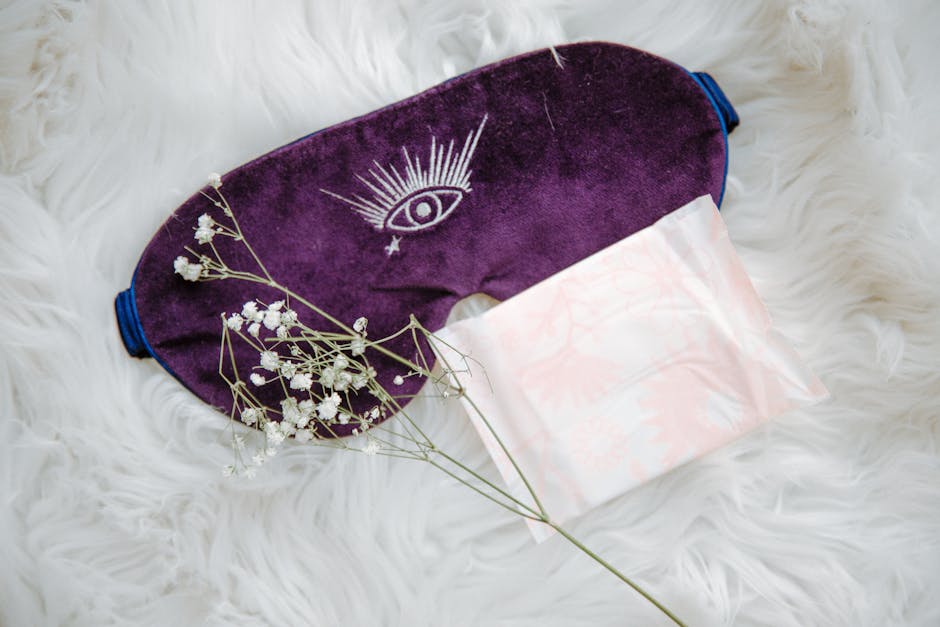
- Stall privacy and security: A lack of locks or thin walls causes stress and anxiety, driving people to rush or avoid breaks altogether. Usable space: Employees need room for bags, coats, and even a moment of calm. Cramped or cluttered restrooms can turn a natural need into a burden. Provision of menstrual products: Free menstrual products send a clear, low-cost message of care from employer to employee.
Facilities & HR: Partnership Matters
From my experience working shoulder-to-shoulder with facilities teams, the question I always ask when seeing a proposal for a new employee amenity is, “Who empties it and how often?” Period-friendly restrooms require ongoing commitment: replenishing products, maintaining locks, cleaning meticulously. Otherwise, the message of care quickly fizzles into frustration.
Period-Friendly as Practical Facilities Choices
Beyond the cultural questions, considering periods in workplace design and upkeep is simply practical. People who menstruate often face unpredictable symptoms and must sometimes change products multiple times during a workday. Poorly designed restrooms—without adequate disposal options, hooks for bags and coats, or sanitary bins—thrust avoidable hardship upon these employees.
Restroom Feature Worst Case Impact Period-Friendly Solution No locks on stall doors Employees feel unsafe, rush breaks, avoid restroom when needed Install sturdy, functional locks checked regularly Limited space inside stalls Difficulty managing product changes, no space for bags or coats Redesign stalls with shelf space, hooks, and sufficient room No sanitary disposal units Unsafe or embarrassing product disposal, environmental waste Provide covered, emptied sanitary bins serviced daily Infrequent cleaning and restocking Dirty, unpleasant facilities, lack of menstrual products Set schedule for cleaning and restocking with quality productsHR.com community blogs frequently highlight that period-friendly choices remove avoidable stress and give menstruating employees equal footing to focus on their work. When the basics work well, employees don’t just ‘manage’ their time—they feel supported and respected.

Free Menstrual Products: A Cost-Effective Signal of Care
One of the lowest-cost yet most powerful gestures employers can make is providing free menstrual products in restrooms. Making tampons and pads available—without requiring employees to ask—normalizes menstruation and signals tangible support.
Research shared on HR.com points to a growing expectation that organizations provide these products as a standard workplace amenity, much like soap or paper towels. This simple step can:
Reduce anxiety among menstruating employees about product availability Strengthen trust in employer concern for personal wellbeing Help reduce absenteeism and lost productivity linked to inadequate accessBut free products alone are not enough. Their presence must be coupled with facilities that honor employee privacy and dignity—otherwise, the gesture risks feeling tokenistic rather than transformative.
Workplace Culture: Beyond Perks to Deep Meaning
Offering period-friendly amenities is often perceived as a “perk,” but framing it solely through that lens misses the bigger cultural context. As the SHRM website notes, workplace culture is set by everyday experiences—not polished slogans or isolated benefits. What matters is that employees consistently see their practical needs anticipated and respected.
A workplace that cares about menstrual health is signaling a broader commitment to employee wellbeing:
- Recognition of diverse bodily experiences in the workforce Commitment to reducing stigma and promoting equality Intentional, partnered efforts between HR and facilities to remove “small frictions” that quietly drive turnover
In fact, overlooking menstrual health in facilities design often reveals deeper gaps in inclusivity and employee care. So while free products and well-stocked restrooms are valuable, their real impact comes when they are part of a comprehensive culture of dignity and respect.
A Final Thought: Avoiding Vague Promises
One thing that always irks me is vague, overly polished language that dodges the real issue—phrases like “we support you” without any clear facilities follow-through. Employees quickly parse whether a company’s commitments are genuine or an empty gesture.
To build a truly period-friendly workplace that improves culture, companies must:
Partner HR and facilities to ensure consistent implementation and upkeep Design restrooms with privacy, usability, and disposal in mind Provide free products alongside ongoing education to reduce stigma Communicate clearly and concretely about what employees can expectSuch measures help shift menstrual health from a “perk” to a pillar of respectful, inclusive workplace culture.
Conclusion
The question “Do period-friendly workplaces help culture or is it just a perk?” deserves an answer grounded in both practical experience and employee voice. Facilities and HR leaders must work in tandem to enable dignity at work through restroom design, privacy, and product availability. When thoughtfully integrated, period-friendly workplaces reflect an authentic culture of care and inclusion—far beyond a mere employee wellbeing amenities benefit on paper.
For organizations looking to deepen employee trust and wellbeing, prioritizing menstrual health is not just smart—it’s essential.
```